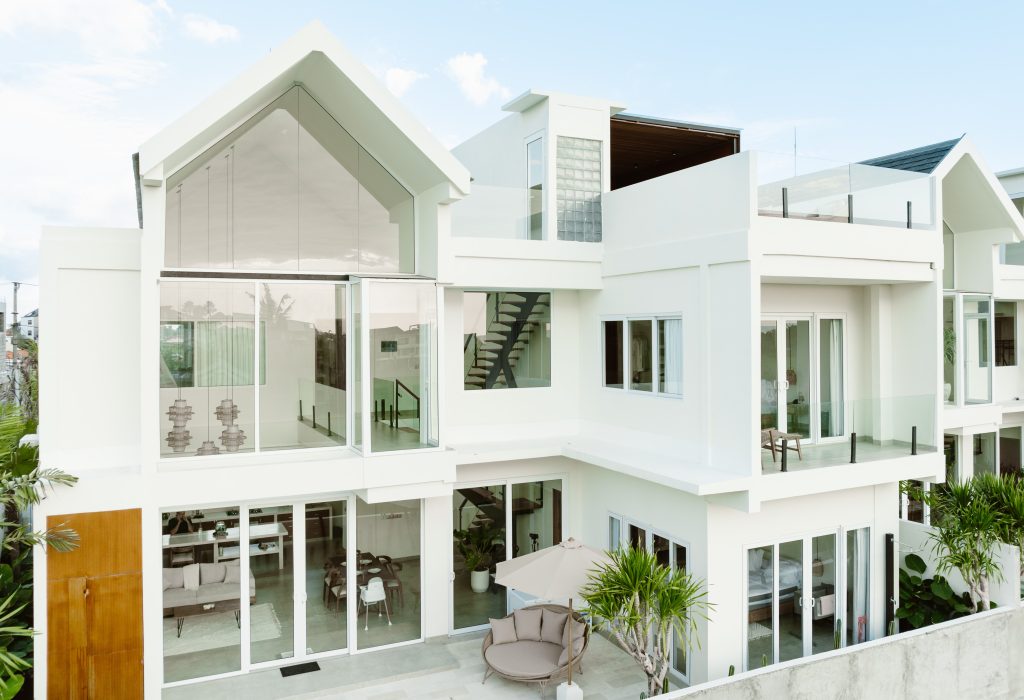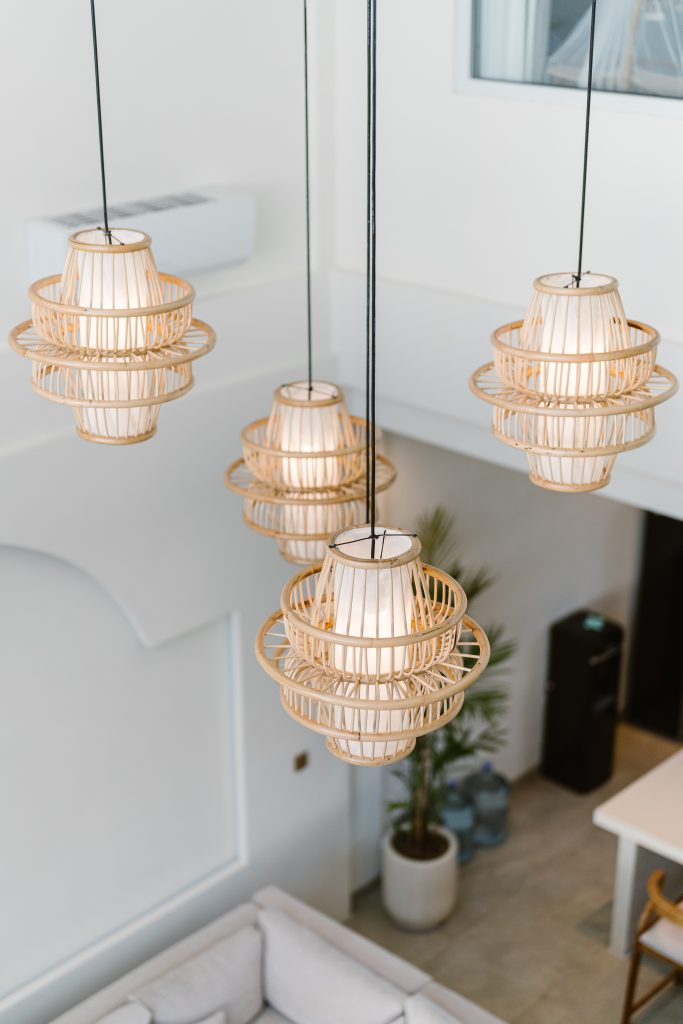
There are many reasons to renovate. Your kitchen may feel awkward, storage may be limited, or the family room may not be comfortable for gathering. Sometimes the issue is how a space works rather than its size. Before choosing paint and new materials, write down what you want daily life to feel like when the renovation is finished.
Separate needs from wishes List the everyday problems first: an inefficient kitchen layout, a noisy workspace, or a bathroom that is hard to clean. Then list the changes in atmosphere you would enjoy. Both matter, but priorities help when the budget needs adjusting.
Understand the existing building Photographs and initial measurements are useful for discussion, but they do not replace a site assessment. Structure, electrical work, plumbing, and moisture concerns need review by appropriate professionals. Treat wall changes and added loads as matters to assess before confirming finishes.
Decide what stays A renovation does not need to replace everything. Existing floors, doors, and interior features may still work well and give the house character. Identify what will remain, what needs repair, and what will be replaced. This helps the team plan protection and describe demolition work more clearly.
Build a budget around real work Connect each budget item to a practical change. A kitchen update may include lighting adjustments, water connections, and wall repairs as well as cabinetry. Discuss unknowns that can only be assessed once existing finishes are opened. Agree on how additional work is priced and approved before it proceeds.
Plan around daily life If the home stays occupied, discuss working hours, access, cleanliness, and which areas must remain usable. Working in zones may help keep everyday activities going. Practical details such as material delivery routes and temporary storage make the process easier to manage.
Choose details you can live with Consider cleaning, access, and storage as carefully as visual references. Review texture, corners, junctions, and how colours appear in the room’s light. Consistent detailing can make modest materials feel calm and considered.
Finish with a shared walkthrough Check both appearance and function. Try the doors, drawers, lights, and fittings included in the scope. Record outstanding items and keep the completion photographs. To discuss a renovation in Bali with EXPROJECT, start with current photographs and the three changes you need most. That gives the conversation a clear starting point.
Have a space in mind?
Share your plans. A short brief helps us understand your needs before the WhatsApp conversation.
Share your project brief